
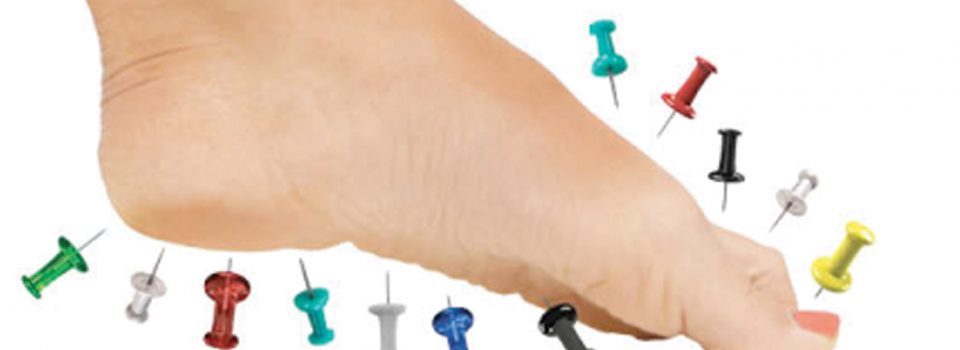
Neuropathy pain can be a real challenge in everyday life. This condition, which affects the peripheral nerves, often causes symptoms like burning, tingling, numbness, and intense pain. While medical supervision is essential, there are several ways to ease the symptoms at home, improving the quality of life for those living with neuropathy. In this article, we’ll explore practical and effective tips to manage neuropathy pain from the comfort of your home.
Understanding What Neuropathy Is
Neuropathy is a term used to describe nerve damage affecting the peripheral nervous system. Its causes are varied and may include diabetes, alcoholism, nutritional deficiencies, autoimmune diseases, infections, and even side effects of medications. In some cases, the cause is unknown (idiopathic neuropathy).
Symptoms are often more intense at night and vary from person to person. The most common include electric shock sensations, loss of sensitivity, burning, and stabbing pain. Identifying the signs early is crucial for beginning proper care.
1. Use Hot and Cold Compresses
Applying heat or cold can help relieve pain and discomfort. Warm compresses relax the muscles and improve circulation, while cold ones help reduce inflammation and swelling.
How to do it:
- For heat: use a warm thermal pad for 15 to 20 minutes on the affected area.
- For cold: apply ice wrapped in a cloth for 10 to 15 minutes.
Avoid applying ice directly to the skin to prevent burns.
2. Practice Gentle Stretches and Light Exercises
Moving your body gently and safely helps stimulate blood flow and reduce stiffness caused by pain. Exercises like light walking, yoga, or gentle stretching can be very helpful.
Tip: Start with a few minutes a day and gradually increase the time as you build tolerance. Always respect your body’s limits.
3. Follow an Anti-Inflammatory Diet
Diet plays a key role in controlling neuropathy symptoms. Anti-inflammatory foods help reduce nerve inflammation and promote quicker recovery.
Include in your diet:
- Omega-3 rich fish (salmon, sardines)
- Berries
- Leafy green vegetables
- Nuts (walnuts, cashews)
- Extra virgin olive oil
Avoid: ultra-processed foods, excess sugar, alcoholic beverages, and soft drinks.
4. Take Supplements with Medical Guidance
B-complex vitamins, especially B1, B6, and B12, are vital for nerve health. Supplementation can aid in nerve regeneration and symptom reduction. However, always take supplements under professional supervision to avoid overdosing.
Other potentially helpful supplements include:
- Alpha-lipoic acid
- Magnesium
- Vitamin D
5. Apply Massages with Natural Creams
Gentle massages on affected areas promote relaxation and improve local sensitivity. Use creams with soothing properties, such as those based on arnica, menthol, or chamomile.
Tip: Perform the massage with light circular motions, always respecting your sensitivity. Stop immediately if you feel intense pain.
6. Try Meditation and Mindful Breathing
Managing pain also involves taking care of the mind. Meditation and deep breathing help reduce stress, which can worsen neuropathy symptoms. These moments of calm improve well-being and increase pain tolerance.
Suggestion: Set aside 10 to 15 minutes daily to focus on your breath, let go of negative thoughts, and relax your body.
7. Keep Stress Under Control
Constant stress directly affects the nervous system and can worsen neuropathy symptoms. Enjoyable activities, quality sleep, and a balanced routine help keep stress levels in check.
Some ideas:
- Read a book
- Listen to relaxing music
- Practice hobbies
- Talk with friends or family
8. Hydrotherapy: Warm Baths and Foot Soaks
Warm baths, especially with Epsom salts, can relax muscles and relieve pain. Foot soaks are excellent for those suffering from neuropathy in the lower limbs.
How to do it:
- Fill a basin with warm water
- Add two tablespoons of Epsom salt (or coarse salt)
- Soak your feet for 15 to 20 minutes
9. Control Blood Sugar Levels (for Diabetics)
For those with diabetes, keeping blood sugar levels under control is vital to prevent the progression of neuropathy. A balanced diet, regular physical activity, and proper use of prescribed medications are essential.
Tip: Take regular tests and log your glucose levels daily to monitor your progress.
10. Use Special Insoles and Comfortable Footwear
Wearing orthopedic insoles and comfortable shoes is crucial to reduce impact while walking, especially in cases of foot neuropathy. Choose well-cushioned shoes that don’t squeeze your toes.
Final Thoughts on Living Better with Neuropathy
Living with neuropathy can be challenging, but it doesn’t mean giving up on a good quality of life. With small changes in your routine, daily care, and support from healthcare professionals, it’s possible to manage the pain and enjoy more peaceful days. The key is not to isolate yourself or stop looking for solutions that work for you.
Every body is unique, and what relieves one person’s symptoms may not work for another. Therefore, maintain regular follow-ups and share your strategies with your doctor. Self-care starts at home, but professional support makes all the difference.
If you live with neuropathy, know that there are many ways to improve your well-being. Try different approaches, adjust your routine, and don’t give up. Your comfort is a priority.